
Recent Form and Tactical Observations
Sunderland, known as The Black Cats, has shown flashes of brilliance in their recent league fixtures, showcasing a blend of youthful exuberance and tactical discipline under their current management. However, despite some commendable performances, inconsistencies have crept into their game, particularly in how they transition between attacking and defensive phases. This article aims to dissect Sunderland's recent form and propose tactical tweaks that could enhance their overall effectiveness and consistency.
Defensive Structure and Midfield Dynamics
One area where Sunderland has been vulnerable is in their defensive structure, especially during transitions. The team often adopts a high defensive line, which can be effective against teams that lack pace but leaves them exposed against rapid counter-attacks. A slight adjustment to a lower defensive block when facing quicker opponents could provide the backline with more time to regroup and reduce the risk of being caught out.
Moreover, Sunderland's midfield has at times struggled to maintain possession under pressure, leading to turnovers that invite opposition attacks. Introducing a more dynamic midfield pairing that emphasizes ball retention and physicality could alleviate some of these issues. Consideration could be given to pairing a more defensively minded midfielder alongside a creative playmaker to ensure balance and fluidity in transitions.
Width and Attacking Movements
In the attacking third, Sunderland has often relied heavily on wing play, with full-backs pushing high up the pitch to provide width. While this strategy can stretch opposition defenses, it can also leave gaps defensively if the full-backs are caught out of position. A tweak could involve instructing the wide players to cut inside more frequently, allowing overlapping runs from the full-backs while also creating more central options for the forwards. This could exploit the space created by defenders drawn out of position, providing Sunderland with more direct goal-scoring opportunities.
Forward Line Adjustments
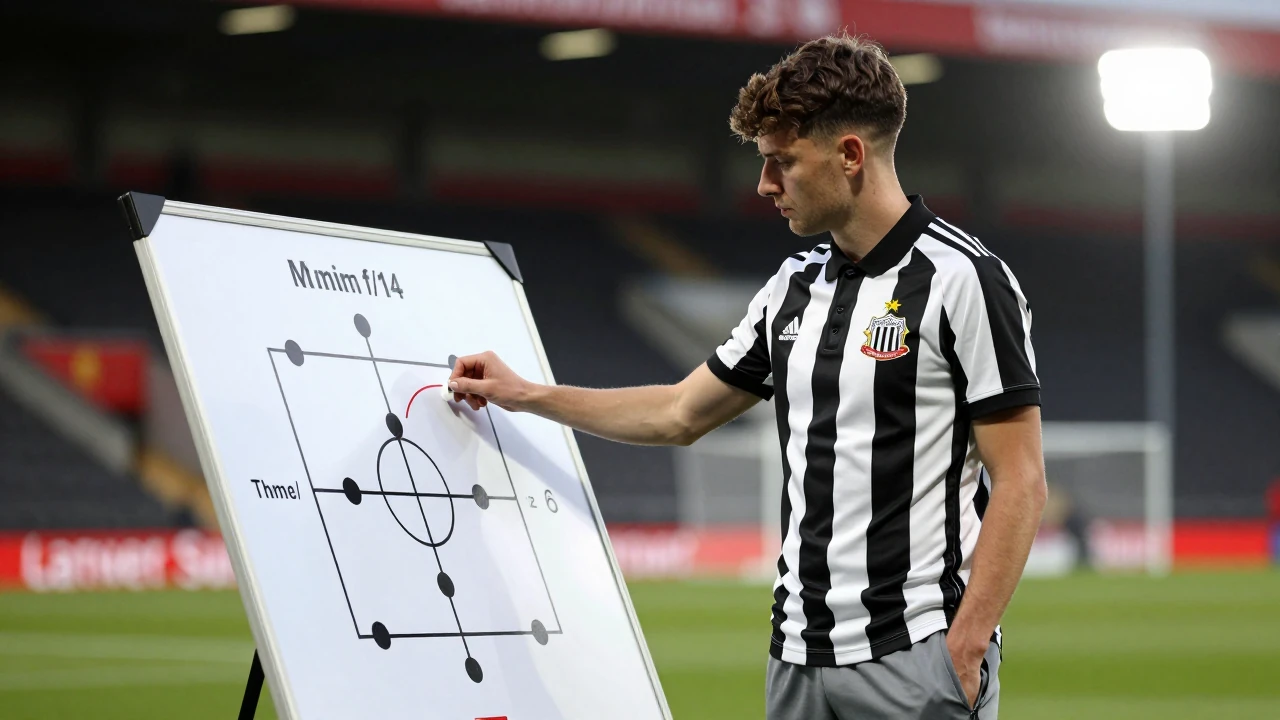
Sunderland's forward line has shown potential, but the current formation sometimes limits their effectiveness. The traditional 4-2-3-1 setup has its merits, but a shift to a 4-3-3 could provide greater attacking impetus while maintaining defensive solidity. This formation would allow wingers to operate more freely and create overloads in wide areas, which is essential for breaking down teams that sit deep. Additionally, encouraging the forwards to engage more in pressing from the front could disrupt opponent build-up play and create immediate scoring chances.
Set-Piece Strategy
Finally, Sunderland's set-piece strategy could be fine-tuned to maximize scoring opportunities. While they have shown some promise from corners and free-kicks, a more varied approach could catch opponents off guard. This might include rehearsed movements and alternative delivery methods aimed at creating mismatches in the box. Investing time in set-piece drills could yield significant dividends, particularly in tightly contested matches where goals are at a premium.
Conclusion
In conclusion, Sunderland's recent form, while showcasing their potential, indicates that tactical tweaks could be beneficial in achieving a more consistent performance level. By refining their defensive structure, bolstering midfield dynamics, adjusting their attacking approach, and enhancing set-piece strategies, The Black Cats can position themselves as contenders in the league. With a few strategic adjustments, Sunderland can harness their strengths and mitigate vulnerabilities, paving the way for a successful campaign.